
Choosing the right cat travel crate for multiple cats ensures their safety and comfort during journeys. Look for spacious, well-ventilated options with secure closures, easy cleaning, and options for separation if needed. Prioritize durability and ease of transport for stress-free travel with your feline family.
Traveling with more than one cat doesn’t have to be a chaotic experience! Many pet parents find themselves wondering how to safely transport their beloved felines together, especially if they’re not fully accustomed to each other or tend to get anxious. The good news is, with the right setup, you can make vet visits, moves, or even vacations a much smoother affair for everyone. This guide will walk you through everything you need to know about selecting and using a cat travel crate for multiple cats so your furry friends can travel in comfort and safety. Let’s dive in and make your next trip a breeze!
Why a Crate for Multiple Cats?
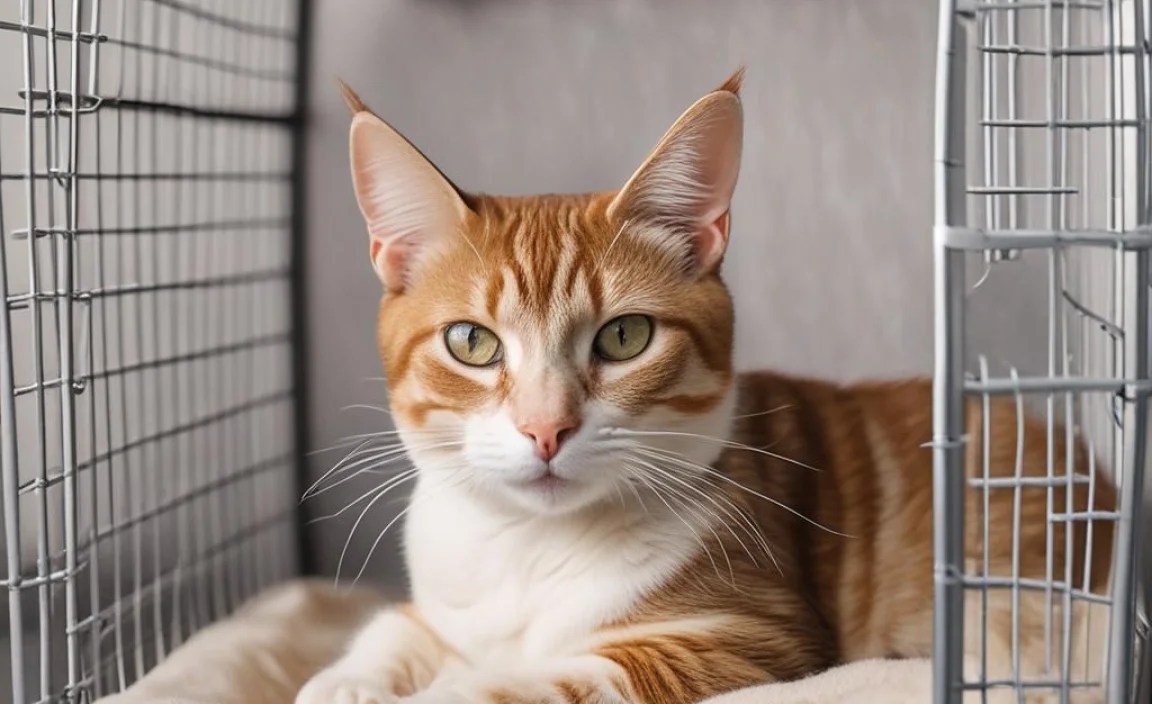
When you have more than one cat, the idea of them sharing a single travel space might seem convenient. However, this can lead to stress, territorial disputes, or even injury if they aren’t comfortable together in close quarters. A properly chosen crate is essential for travel, much like a car seat is for children. It provides a secure environment, prevents escape, and minimizes stress for the cats. For multiple cats, the key is finding a crate that offers enough space and potentially allows for some separation if needed, ensuring each cat feels safe and has personal space. This prevents the kind of conflict that can arise when cats feel cornered or overwhelmed.
Understanding Crate Needs for Multiple Felines
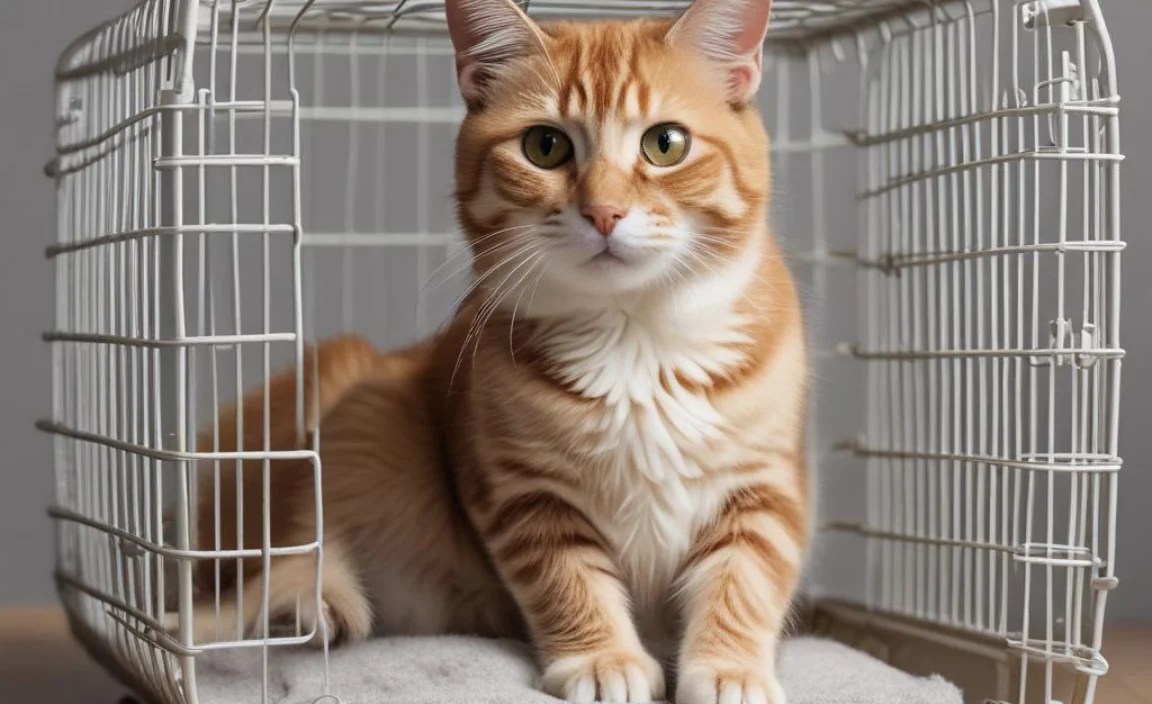
Cats are territorial creatures, and while some bonded pairs might tolerate sharing a space, others will find it incredibly stressful. When choosing a cat travel crate for multiple cats, you need to consider several factors that differ from selecting a carrier for a single cat.
Size Matters: Space for Comfort
The most crucial element is space. Your cats need enough room to stand up, turn around, and lie down comfortably in their preferred positions. If the crate is too small, it can quickly become cramped and anxiety-inducing.
Length: Should be enough for the cat to stretch out fully.
Width: Allows for turning around and side-by-side resting.
Height: Enables them to stand on their hind legs without their heads hitting the top.
When accommodating multiple cats, you’ll essentially need a carrier that’s larger than a standard single-cat carrier, or one designed with compartments. A common rule of thumb is to measure your largest cat from nose to tail base, then add about 12-18 inches for comfortable movement. For two cats, you’re looking for something significantly larger than a typical airline-approved carrier.
Ventilation is Key: Fresh Air Flow
Good ventilation is non-negotiable, especially for multiple cats who will generate more heat and odor. Look for crates with ample mesh windows or multiple openings. This ensures a constant supply of fresh air, reducing the risk of overheating and helping to calm anxious cats with better visibility.
Secure and Safe Construction: No Escapes!
The crate itself must be sturdy and well-constructed. Latches and zippers should be robust and cat-proof – especially if you have Houdini-like escape artists! The materials should be non-toxic and durable enough to withstand the rigors of travel.
Ease of Cleaning: Accidents Happen
Whether it’s a spilled water bowl or a nervous accident, your multi-cat carrier will inevitably need cleaning. Opt for crates with removable, washable bases or fabric that can be easily wiped down and disinfected. This is vital for hygiene and maintaining a pleasant environment for your cats on longer trips.
Durability and Portability: Getting There
You’ll be carrying this crate, so its weight and how you’ll transport it are important. Many larger carriers come with sturdy handles. If you’re dealing with a very large or heavy crate, consider one with wheels, though ensure the wheels are robust enough for the terrain you might encounter.
Types of Cat Travel Crates for Multiple Cats

There isn’t a one-size-fits-all solution, but several types of carriers can work for transporting multiple cats. Your best choice will depend on your cats’ temperaments, the length of your journey, and your personal preferences.
1. Extra-Large Single Compartment Carriers
These are essentially oversized versions of standard cat carriers. They provide a large, open space for your cats to share.
Pros: Can be less stressful for bonded pairs who are used to sharing space and like to be near each other. Offers a single, unified environment for them to explore together.
Cons: Not suitable for cats who show any signs of territorial aggression or stress when in close proximity. If one cat gets anxious, it can easily escalate and affect the other. Can be bulky and heavy.
Best for: Very close, bonded pairs who are calm and enjoy each other’s company at all times.
Example: A large hard-sided carrier designed for small dogs, or a robust soft-sided carrier made for transporting two medium-sized pets. When looking for dimensions, aim for something at least 30-36 inches long and 20+ inches wide.
2. Divided Carriers
These are specifically designed to accommodate multiple pets by having one or more internal dividers. They often have multiple entry points.
Pros: Excellent for cats who need personal space or are still getting used to each other. Allows for a degree of separation while still being in the same unit. Some models can be used as a single large compartment by removing the divider.
Cons: Can feel less “communal” if your cats are very bonded. Ensuring adequate ventilation in each compartment is crucial. Removable dividers can sometimes be a point of weakness if not securely fastened.
Best for: Pairs of cats who are not strongly bonded or who get stressed by constant proximity. Also good for transporting a more confident cat with a more timid one.
A divided carrier can be a lifesaver for ensuring each cat has their own “safe zone” within the same travel unit.
3. Collapsible Fabric Carriers (Multiple Doors/Sections)
Some fabric carriers are designed with multiple zippered compartments or can be opened from different sides. While often marketed for small pets, larger versions can work for two cats if they are on the smaller side.
Pros: Lightweight, often foldable for storage, typically good ventilation via mesh panels.
Cons: Not as durable for larger or stronger cats, especially for extended travel or if cats are prone to chewing. May not offer enough rigidity for very anxious cats who might try to push through walls.
Best for: Short trips, calm cats, or as supplementary carriers.
4. Custom Setups (Multiple Standard Carriers)
Another common approach is to use two standard-sized cat carriers, placed side-by-side or one behind the other.
Pros: Each cat has their own familiar, secure space, minimizing stress from sharing. Offers complete separation. You likely already own suitable carriers.
Cons: Can be difficult to manage two separate carriers, especially if you’re on your own. Requires more space in your vehicle.
Best for: Cats who absolutely cannot tolerate each other, or owners who want maximum control and separation during travel.
If using two carriers, consider securing them in your vehicle so they do not shift during transit. Placing them on the floor of the back seat or securing them with seat belts can help.
Key Features to Look For

Beyond the type, dive into the specific features that make a good multi-cat carrier.
Internal Dividers (Adjustable/Removable)
As mentioned, this is a game-changer. Look for dividers that are sturdy, easy to install and remove, and that create a secure separation. Some advanced models even allow for adjustable divider placement.
Multiple Entry Points
Crates with top-loading or multiple side doors can be beneficial. This allows for easier and less stressful introduction of cats into their carrier, especially if one is more timid. It also helps if you need to access one cat without disturbing the other.
Sturdy Frame and Flooring
A rigid frame prevents the carrier from collapsing and offers better protection. A solid floor means no sagging, which is more comfortable for your cats and easier to clean than fabric that absorbs messes. For very large carriers, ensure the floor has a support structure.
Comfort Liners/Bedding
While not always included, ensure the floor of the carrier is conducive to adding comfortable bedding. This could be towels, a special pet mat, or a small blanket for each cat. This adds to their sense of security and comfort.
Easy-to-Clean Materials
Look for wipeable interiors. Plastic or coated fabric surfaces are much easier to manage than absorbent textiles when it comes to accidents.
Secure Latches and Zippers
Double-check that all closures are robust. For fabric carriers, ensure zippers are heavy-duty and that there are no easy ways for a determined cat to snag or open them.
Airline Compliance (if applicable)
If you plan to fly, check not just the dimensions but also the material and ventilation requirements of your airline. Many airlines have strict rules for pet carriers. While large multi-cat carriers are less common for in-cabin travel, they might be required for checked baggage or cargo, though this is generally not recommended for cats. Always consult your airline directly.
Preparing Your Cats for the Crate

Introducing your cats to their travel crate before the actual travel day is crucial for reducing stress. This process can take time and patience.
Step 1: Crate as a Safe Haven
Place the crate in a common area of your home, like the living room. Leave the door open and make it an inviting space.
Toss treats inside.
Place familiar blankets or toys within.
Feed meals near or inside the crate.
Never force your cat inside. The goal is for them to associate the crate with positive experiences.
Step 2: Acclimation to the Interior
Once your cats are comfortable entering and lounging in the open crate, start closing the door for short periods while you are present.
Begin with just a few minutes.
Gradually increase the duration.
Speak to them in a calm, reassuring voice.
If they show signs of distress (vocalization, scratching), open the door immediately.
Step 3: Introducing Dividers (if applicable)
If your crate has a removable divider, introduce it slowly.
Initially, use the divider to create two smaller spaces.
Allow them to get used to the smaller dimensions.
Eventually, remove the divider to show them the full space is still accessible and safe.
Step 4: Short Trips First
Before a long journey, take your cats on short practice trips.
Start with just a 5-10 minute car ride around the block.
Gradually increase the time.
This helps them associate the crate with car travel, not just a standalone experience.
Step 5: Familiar Scents
Rub a soft cloth on one cat’s cheeks and then on the other, and place the cloth in the shared space. This helps them feel more comfortable with each other’s scent in the confined area. You can also do this with their bedding.
Tips for Traveling with Multiple Cats
Once you have your crate and your cats are accustomed to it, here are some tips to make the actual travel as smooth as possible.
Vehicle Setup
Secure the Crate: In your car, ensure the crate is stable. Place it on the floor of the back seat, or secure it with a seatbelt. A slippery or shifting crate can increase anxiety.
Temperature Control: Maintain a comfortable and consistent temperature in your vehicle. Avoid direct sunlight on the crate.
Minimize Novel Stimuli: Keep the radio volume low and avoid sudden stops or starts.
During the Journey
Water and Food: For very long trips (over 8-10 hours), you might consider offering water. Collapsible bowls or a sipper bottle attached to the crate can work. However, avoid feeding a large meal right before or during travel, as this can lead to motion sickness.
Litter Box Access: For extended travel, a small, disposable litter box or a travel-sized tray could be placed at one end of a very large divided carrier, if feasible without compromising safety or space. Discreetly clean if needed at stops.
Minimize Disturbance: Unless absolutely necessary, avoid opening the crate during transit. Excessive peeking or fussing can increase your cats’ anxiety. Trust the secure setup.
Calming Aids: Pheromone sprays (like Feliway), calming treats, or even a familiar blanket can help. Consult your vet before using any supplements.
Arrival and Unpacking
Gradual Release: When you arrive at your destination, don’t rush to open the crate doors. Let your cats emerge at their own pace.
Establish Their Space: Once released, ensure they have access to food, water, litter boxes, and a quiet place to retreat if needed.
Common Challenges and Solutions
Even with the best preparation, challenges can arise. Here’s how to tackle them:
Challenge: Cats Fighting or Hissing in the Crate
Solution: This indicates the crate is too small, the divider isn’t working, or they simply don’t tolerate close proximity. You may need to revert to using two separate carriers. Ensure the crate is large enough, and if divided, that the divider is secure. Spend more time on positive association outside of travel.
Challenge: One Cat is Extremely Anxious (Pacing, Excessive Vocalization)
Solution: Try to identify the source of stress. Is it the confinement, the other cat, or motion sickness? If it’s motion sickness, talk to your vet about anti-nausea medication. If it’s confinement anxiety, even more desensitization is needed. Consider a pheromone diffuser at your destination.
Challenge: Difficulty Introducing Cats to the Crate
Solution: Be patient! Some cats take weeks. Go back to the very first steps of making the crate a positive, open space. Never rush the process. Ensure the crate is comfortable and inviting, with plenty of rewards.
Challenge: Crate is Too Heavy or Awkward to Carry
Solution: Invest in a crate with wheels and a telescopic handle if possible. For very heavy crates, ask for help or consider if a lighter, fabric option might suffice for calmer cats, or if using two smaller carriers is more manageable.
Remember, consistency and patience are your greatest tools when preparing multiple cats for travel.
Crate Maintenance and Cleaning
Proper cleaning ensures a hygienic environment and prevents lingering odors that can cause anxiety.
Regular Cleaning (Between Trips)
Remove all bedding, toys, and any food/water bowls.
Wipe down the interior with a pet-safe disinfectant (diluted vinegar or a veterinary-approved cleaner). Ensure it’s thoroughly rinsed or aired out to remove chemical smells.
Wash fabric components (liners, beds) according to their care instructions.
Deep Cleaning (As Needed)
For significant messes, a thorough scrub with warm, soapy water is often effective.
For hard-plastic carriers, a bleach solution (1 part bleach to 32 parts water) can be used for disinfection, but must be rinsed extremely thoroughly and aired out completely until there is no bleach smell.
Odor Control
Regular cleaning is the best defense.
Using baking soda sprinkled on bedding (and vacuumed off) can help absorb odors.
Consider using a pet-specific odor neutralizing spray on fabrics that are safe for cats.
Safety First: Important Considerations
Your cats’ well-being is paramount. Always prioritize safety.
Never Leave Unattended: Do not leave cats unattended in a crate in a vehicle, especially in warm weather. Temperatures can rise rapidly, creating a deadly heatstroke situation.
Secure All Latches: Double-check that all doors and any internal dividers are securely fastened.
Avoid Overcrowding: It’s better to use two carriers than to cram cats into a single one. Overcrowding leads to stress, potential injury, and is generally unsafe.
Know Your Cats: Understand your cats’ individual personalities and their relationships with each other. If they are prone to aggression or extreme anxiety, traveling together in one carrier might never be a viable option.
For definitive guidance on safe pet travel and emergency preparedness, the American Veterinary Medical Association (AVMA) offers excellent resources.
Frequently Asked Questions (FAQ)
Q1: How large does a cat travel crate for multiple cats need to be?
It needs to be large enough for each cat to stand up, turn around, and lie down comfortably. For two average-sized cats, a carrier measuring at least 30-36 inches long and 20+ inches wide is a good starting point, or a divided carrier equivalent in volume.
Q2: Can two cats share one travel crate?
It depends on their relationship. Bonded, well-socialized cats might be able to share a spacious crate. However, cats who are territorial, anxious, or not used to each other will need a divided carrier or two separate carriers for safety and comfort.
Q3: What if my cats fight when I put them in the crate together?
This is a clear sign they are not compatible for shared travel. Immediately separate them and use two individual carriers. It’s crucial not to force them to share if it causes distress or conflict.
Q4: How do I make the crate less scary for my cats?
Introduce the crate slowly as a positive space at home. Leave it open with treats, toys, and familiar bedding. Never force them inside. Gradually increase the time they spend inside with the door closed, always associating it with positive experiences.