
Does your cat turn into a little night owl? You’re not alone! Many cat owners face the nightly serenade of their furry friends. It can be cute at first, but it quickly becomes a bit much. Have you ever wondered why your cat meows at night? Cats are naturally more active at dawn and dusk, but that doesn’t mean you have to suffer through the noise.
Imagine trying to sleep while your cat sings a song just for you. It can feel frustrating after a long day. The good news is there are ways to stop cats from meowing at night. Simple changes in their routine can make a big difference.
In this article, we’ll explore some fun tips and tricks. You’ll learn how to create a peaceful nighttime environment for both you and your furry companion. So let’s dive in and find a solution to those midnight meows!
How To Stop Your Cat From Meowing At Night Effectively

Stop Cat from Meowing at Night
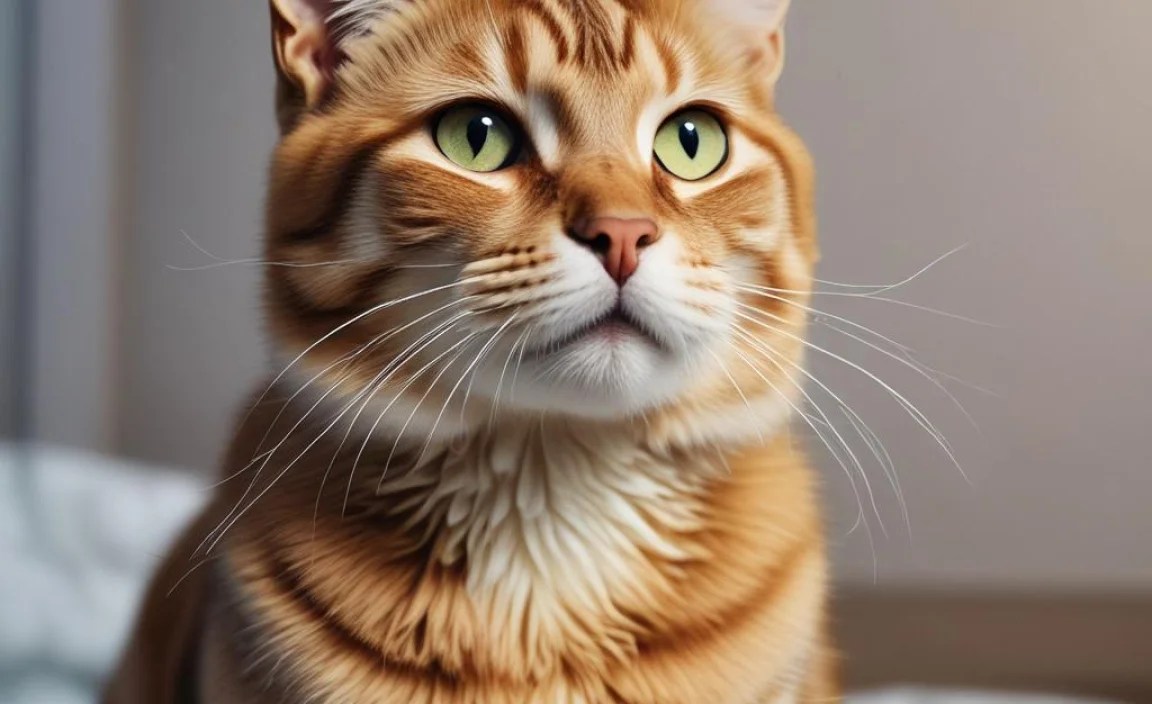
Many cat owners wonder how to stop their cats from meowing at night. It’s frustrating when your furry friend keeps you awake! Cats usually meow to get attention or express hunger. Try setting up a nighttime routine that includes playtime and feeding before bed. Also, give them cozy spots to sleep. Did you know that some cats meow more if they feel lonely? Addressing their needs can lead to peaceful nights for both of you!
Understanding Why Cats Meow at Night
Common reasons for nighttime meowing. The role of nocturnal instincts in cats.
Cats meow at night for many reasons. One common reason is hunger. They might want food or attention. Another reason is boredom. Cats are playful creatures and may get restless. Nocturnal instincts also play a big role. Cats are naturally active at night, looking for food in the wild. Their instinct drives them to be awake and alert during these hours.
- Hunger for food or playtime
- Boredom and need for interactions
- Nocturnal instincts from ancestors
Why do some cats meow all night?
Some cats meow all night due to their natural behavior and need for attention. They want to socialize, seek food, or express their feelings.
Assessing Your Cat’s Needs
Importance of evaluating hunger, thirst, and comfort. Recognizing signs of loneliness or boredom.
To keep your cat from meowing at night, check if their basic needs are met. Is your feline friend hungry? Thirsty? Or maybe they’re just too cozy? Providing food and water can make a big difference. Also, look out for signs of loneliness or boredom. Cats can be dramatic, like tiny furry soap stars, and they might meow for attention! Setting up playtime or cuddles could help!
| Cat’s Needs | Signs to Look For |
|---|---|
| Hunger | Meowing loudly near the food bowl |
| Thirst | Pawing at their water dish |
| Comfort | Protesting when displaced from their spot |
| Loneliness | Frequent, sad-sounding meows |
| Boredom | Knocking things off shelves |
Creating a Comfortable Sleep Environment
Tips for setting up a cozy nighttime space. Using bedding and toys to enhance comfort.
To help your cat sleep well at night, create a cozy space. Make sure their bed is soft and inviting. Use clean, comfy blankets and pillows. This will give them a warm spot to curl up. Toys can also make a difference. Offer them a favorite toy to snuggle with. This can help them feel secure and happy.
- Choose a quiet spot free from loud noises.
- Dim the lights to keep it calming.
- Keep their sleeping area clean.
How can I enhance my cat’s sleeping space?
Add soft bedding and familiar toys to boost comfort. Consider using calming scents like lavender.
Establishing a Bedtime Routine
Strategies for winding down your cat before sleep. Consistency in feeding and playtime to reduce night disturbances.
Helping your cat relax at night can make a big difference. Start by setting a regular bedtime routine. This makes your cat feel safe and settled. Feed your cat at the same time each day. It helps them know when to eat and when to sleep. Spend some playtime right before bed. This lets them burn off energy.
- Create a calm environment with soft lights.
- Use gentle petting or soothing music to help them unwind.
- Stick to the same schedule every night for consistency.
What can I do to reduce night meowing?
Establishing a consistent feeding and playtime schedule can significantly help reduce night meowing. Cats are creatures of habit. They thrive on routine. Your cat will feel more secure and less likely to meow if their needs are met regularly.
Utilizing Environmental Enrichment
Interactive toys and puzzle feeders for daytime engagement. The impact of playtime on nighttime behavior.
Providing interactive toys and puzzle feeders can make your cat happy during the day. These toys entice them to play and explore. This encourages healthy activity, keeping them busy.
When cats engage in playtime, they tend to rest better at night. A tired cat is less likely to meow loudly. It’s a great way to help your furry friend feel calm.
- Interactive toys stimulate your cat’s mind.
- Puzzle feeders make feeding fun and challenging.
- Daytime play reduces nighttime noise.
So, remember, a well-played cat is a happy cat!
How can playtime help my cat at night?
Playtime keeps your cat active. A tired cat feels sleepy at night, which can cut down on meowing.
Implementing Training Techniques
Positive reinforcement methods to discourage meowing. When and how to ignore excessive vocalization.
Training your cat can help reduce nighttime meowing. Use positive reinforcement to reward good behavior. For example, give treats or praise when they are quiet. This makes them associate quietness with rewards.
Sometimes, ignoring excessive meowing can also help. If your cat is meowing for attention, wait until they stop before you respond. This teaches them that meowing won’t get them what they want.
- Reward quiet moments with treats.
- Be patient and consistent in training.
- Ignore meowing to discourage it.
How do I stop my cat from meowing at night?
To stop your cat from meowing at night, train them with positive reinforcement and ignore excessive vocalization. Helping them feel secure and tired before bedtime can also help minimize nighttime noise.
Seeking Professional Advice
When to consult a veterinarian about meowing. Behavioral specialists for persistent issues.
Sometimes, meowing can mean something more. If your cat meows a lot at night, it might be time to talk to someone who knows more. A veterinarian can check for health problems. A animal behaviorist can help with habits that give you trouble, like too much nighttime noise. Getting help is a smart choice when you feel stuck.
When should you call a vet for my cat’s meowing?
Call a veterinarian if your cat is meowing excessively and shows changes in behavior. This may mean something is wrong. Look for signs like:
- Not eating well
- Hiding a lot
- Being more clingy
Why talk to a behavior specialist?
If your cat keeps meowing even after seeing a vet, a behavior specialist can help. They know how to change your cat’s habits. They can teach you ways to make your cat calm during the night.
Common Misconceptions About Cats and Nighttime Behavior
Debunking myths surrounding feline nocturnal habits. Understanding normal vs. problematic meowing.
Many people think cats are simply night owls, waking up just to drive us crazy. However, that’s not entirely true! Cats are naturally crepuscular, which means they are most active at dawn and dusk, not solely at midnight. Sometimes, meowing at night can mean they are bored or need attention. It’s like your cat throwing a mini midnight party, but with less fun! Normal meowing is typical, while excessive meowing can signify an issue. Here’s a quick table to clear things up:
| Behavior | Normal | Problematic |
|---|---|---|
| Casual Meowing | Seeking attention or food | Stress, illness, or discomfort |
| Frequency | Occasional | Constant or loud |
Understanding these differences helps keep both you and your cat happy at night!
Conclusion
To stop your cat from meowing at night, try these tips. Establish a routine and provide plenty of playtime during the day. Make sure your cat is comfortable and has food and water. If problems continue, consider consulting a vet. You can create a peaceful night for both of you by following these steps. Happy reading!
FAQs
Sure! Here Are Five Related Questions On The Topic Of Stopping A Cat From Meowing At Night:
If your cat meows at night, it might be bored or hungry. First, play with your cat before bedtime to help them get tired. You can also give your cat a small meal right before you sleep. Make sure their toys are fun and interesting. If it keeps happening, check with a vet to see if your cat is healthy.
Sure! Please go ahead and ask your question, and I’ll give you a simple answer.
What Are Some Common Reasons Why Cats Meow At Night?
Cats often meow at night because they are bored and want attention. They might be hungry or want to play. Sometimes, they just feel like being loud! If your cat is older, they might meow to show they are confused. Always check to make sure they’re okay!
How Can I Create A More Comfortable Sleeping Environment For My Cat To Reduce Nighttime Meowing?
To help your cat sleep better, you can create a cozy space just for them. Find a quiet spot away from loud noises. Use a soft blanket or a pet bed to make it comfy. Make sure they have some toys to play with before bedtime. You can also keep a nightlight on so it’s not too dark. This way, your cat will feel safe and happy at night.
Are There Specific Toys Or Activities That Can Help Keep My Cat Occupied During The Night?
Yes, there are fun toys and activities for your cat at night! You can get a laser pointer for chasing. Toys that make noise, like balls with bells, are exciting too. You can also hide treats around the house for your cat to find. This will keep your cat busy and happy!
Should I Consider Adopting A Companion For My Cat To Help Alleviate Nighttime Vocalizations?
Getting a companion for your cat could help. Cats can feel lonely, especially at night. A friend might make your cat feel happier and less noisy. Just make sure they get along well before you decide. It’s a big change for both cats!
When Should I Consult A Veterinarian About My Cat’S Nighttime Meowing Behavior?
You should talk to a veterinarian if your cat meows loudly every night. If this keeps happening for more than a few nights, it’s best to check. Also, if your cat seems upset or hurt while meowing, that’s a sign to get help. It’s important to make sure your cat is healthy and happy.