
Do you have an aggressive cat that seems always on edge? You’re not alone! Many cat owners face this challenge. Every day, these cats fight their own fears and stress. It’s hard to watch them struggle. What if I told you that there are ways to make aggressive cats calm? Imagine a peaceful home where your furry friend feels safe and happy.
Picture this: You come home after a long day. Your cat is usually hiding, hissing, or swatting at anyone who comes near. Instead of feeling joy, you feel worry and frustration. But with the right steps, you can help your cat relax. Learning **how to make aggressive cats calm** can mean a happier life for both of you!
In this article, we’ll explore simple methods to soothe your cat’s nerves. You will discover tips that anyone can use. By following these ideas, you can create a loving space where your cat feels secure. Let’s dive in and turn things around for your furry companion!
How To Make An Aggressive Cat Calm: Effective Strategies

How to Make an Aggressive Cat Calm

Dealing with an aggressive cat
can be stressful. Did you know that certain techniques can help calm your feline friend? Start by creating a peaceful environment with soft sounds and dim lights. Use slow movements to avoid startling them. Offering treats or toys can also ease their tension. Consistency is key. Over time, your cat may learn to trust you more. Remember, patience and love can transform your cat’s behavior.
Understanding Cat Aggression
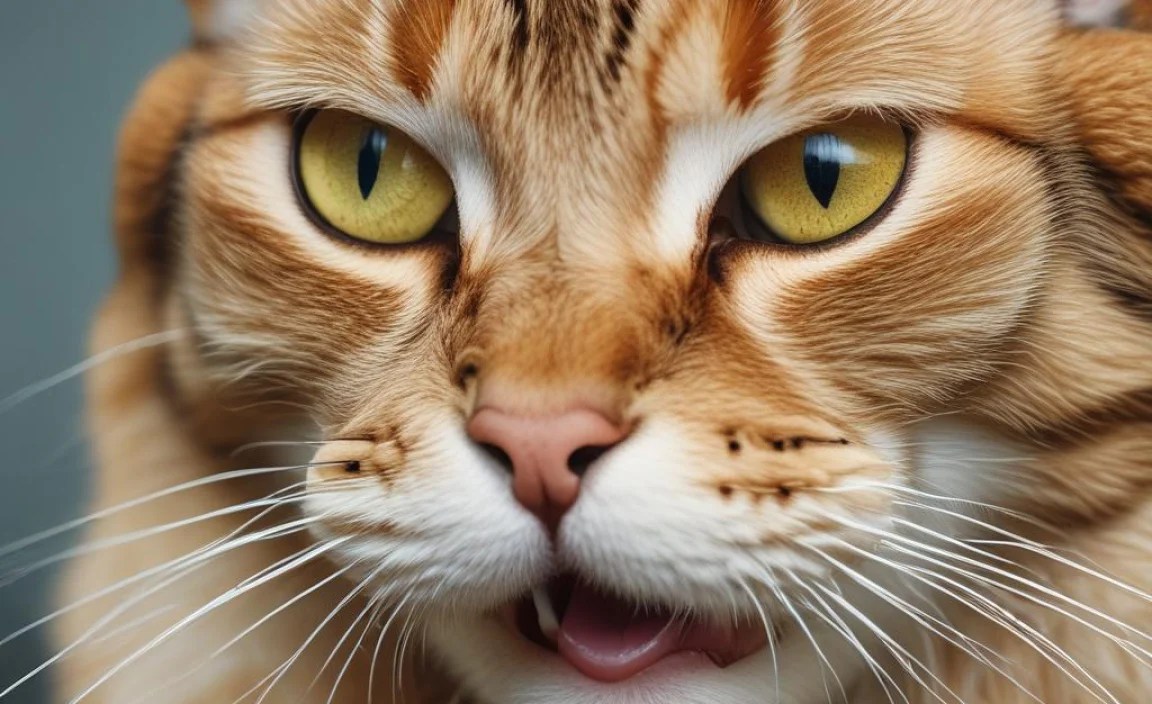
Types of aggression in cats: fear, territorial, play, and redirected aggression. Identifying the signs and triggers of aggressive behavior.
Cats can be tricky when they get aggressive. There are several types, including fear-based, where they feel scared and strike out. Then, there’s territorial aggression, which happens when they feel their space is threatened. Play aggression is common in young cats; they can get a bit too excited during playtime. Lastly, redirected aggression occurs when a cat can’t reach the real target of its anger, like another animal outside.
Learning the signs of aggression is crucial. Watch for hissing, puffed-up tails, and ears flat against their heads. These signals mean your cat needs space. Understanding these behaviors helps us create a calm atmosphere for our furry friends. Remember, a calm cat is a happy cat—unless you forget the treats!
| Type of Aggression | Signs | Trigger |
|---|---|---|
| Fear | Hissing, hiding | Loud noises, new people |
| Territorial | Puffed tail, growling | New pets, changes in the home |
| Play | Biting, pouncing | Too much excitement |
| Redirected | Chasing, sudden attacks | Seeing another cat |
Creating a Calm Environment
Importance of a safe and comfortable space for your cat. Utilizing calming products: pheromone diffusers, calming collars, and supplements.
Creating a nice space for your cat is important. A safe, cozy place helps cats feel calm and happy. Cats need a space where they can relax. You can also use calming products to help. Try these:
- Pheromone diffusers that release calming scents.
- Calming collars that keep your cat feeling relaxed.
- Supplements that can help soothe your cat’s nerves.
These products provide comfort and make your cat feel secure. A calm cat leads to a happy home!
What can make a cat feel safe?
Giving your cat a quiet place to hide can help. You can also keep loud noises away or use soft music. These tricks make your cat feel safe and loved!
Behavioral Modification Techniques
Gradual desensitization to triggers. Positive reinforcement strategies for calm behavior.
To help your feisty feline chill out, try gradual desensitization. This means slowly introducing them to their triggers, like the vacuum or that loud doorbell. Think of it like teaching your cat yoga—slow and easy! Positive reinforcement is another trick; reward calm behavior with treats. A cat that gets goodies when calm will learn to embrace the zen. Here’s a fun little chart to help you see how it works:
| Trigger | Desensitization Steps | Reward |
|---|---|---|
| Vacuum | Start from a distance, then gradually get closer. | Give a treat after each step! |
| Doorbell | Play the sound softly, then at normal volume. | Earning treats is the cat’s game! |
Even the most dramatic cats can learn to mellow out. A little patience, tasty treats, and some fun techniques can change your cat’s attitude from fierce to friendly!
Engaging Playtime Activities
Selecting appropriate toys to divert aggressive energy. Interactive play vs. solo play: finding the right balance.
Finding the right toys can turn your feisty feline into a calm puddle of fluff. Opt for toys that entice your cat to pounce and chase. Feather wands and laser pointers work wonders! Balance is key; some cats love a buddy to play with, while others enjoy solo time. Interactive play helps build bonds, but too much can be overwhelming. Balance is like a cat: playful yet thoughtful!
| Type of Play | Toy Examples | Benefits |
|---|---|---|
| Interactive | Feather wands, laser pointers | Strengthens bonds, provides mental stimulation |
| Solo | Catnip mice, puzzle feeders | Encourages independence, burns off energy |
Establishing Routine and Structure
Importance of a consistent daily routine for stress reduction. Feeding and play schedule to enhance predictability.
Creating a daily routine helps cats feel safe. Cats thrive on structure because it reduces their stress. A consistent schedule for feeding and play makes life more predictable for them. When cats know what to expect, they feel happier and calmer.
- Feed your cat at the same time each day.
- Set specific times for play sessions.
- Keep other activities, like grooming, on a regular schedule.
With these habits, your cat will learn to relax and stay calm.
How does routine help cats feel calm?
Routine creates a safe space. It helps them know what to expect. This predictability reduces their anxiety.
When to Seek Professional Help
Signs that indicate the need for veterinary or behavioral consultation. Types of professionals: veterinarians, animal behaviorists, and trainers.
Notice strange behaviors in your cat? This means you may need help. Signs include:
- Frequent hiding
- Excessive growling or hissing
- Attacking people or other pets
- Loss of appetite
If you see any of these signs, it’s time to consult a professional. You can reach out to:
- Veterinarians for medical issues
- Animal behaviorists to understand your cat’s actions
- Trainers for behavior improvement techniques
Involving experts can keep your cat safe and happy!
What kind of professional should I see for my cat’s behavior?
You should consult a veterinarian for health concerns, an animal behaviorist for behavioral issues, or a trainer to help with aggressive actions. Each has unique skills to help your cat.
Long-Term Strategies for Maintaining Calm
Continuing to monitor behavior and adjust strategies as needed. Building a strong bond through trust and patience.
To keep your furry friend feeling calm, regular check-ins are key! Keep an eye on their behavior and tweak your methods as necessary. If your cat seems a bit grumpy, it might be time for a new game or a cozy spot to hide in. Building a bond with your pet takes trust and patience, but you’ll end up with a happy kitty that loves you. Remember, it’s all about trust—not just giving treats to bribe them!
| Strategy | Description |
|---|---|
| Monitor Behavior | Watch your cat’s actions and adjust your approach accordingly. |
| Build Trust | Spend time quietly with your cat to strengthen your bond. |
Conclusion
In conclusion, keeping an aggressive cat calm requires patience and understanding. You can create a safe space, use calming products, and establish routines. Always approach your cat gently. If behavior doesn’t improve, consider asking a vet for help. Remember, every cat is unique, so stay observant and adapt your approach. For more tips, don’t hesitate to explore further resources!
FAQs
What Are The Common Signs Of Aggression In Cats, And How Can I Recognize Them?
Cats show aggression in different ways. You might see them hiss or growl. Their ears may lay back, and their tail could twitch or puff up. They might also swipe their paws at you or other pets. If you notice these signs, give the cat some space to calm down.
What Environmental Changes Can Help Create A Calmer Atmosphere For An Aggressive Cat?
To help an aggressive cat feel calmer, you can make a few changes at home. First, create a quiet space where the cat can hide and feel safe. You can also add soft bedding for comfort. Keeping loud noises and busy activities away from this area can help too. Lastly, provide toys to keep the cat entertained and distracted.
Are There Specific Training Techniques Or Methods That Can Be Used To Help Reduce Aggression In Cats?
Yes, there are ways to help calm aggressive cats. You can use positive rewards like treats when your cat behaves well. Keeping your cat’s space clean and quiet helps them feel safe. Playing with your cat every day can also help them use up energy. If problems continue, ask a vet for more advice.
How Can I Use Positive Reinforcement To Modify My Aggressive Cat’S Behavior?
You can help your aggressive cat by using positive reinforcement. This means rewarding good behavior instead of punishing bad behavior. When your cat is calm or plays nicely, give it a treat or some pets. Always do this right after the good behavior, so your cat knows why it’s getting the reward. With time, your cat will learn to be more gentle.
When Should I Consider Consulting A Veterinarian Or Animal Behaviorist To Address My Cat’S Aggression?
You should think about talking to a veterinarian or an animal behaviorist if your cat is always aggressive. If your cat suddenly starts acting mean or hurting you or other pets, that’s a sign to get help. If their behavior doesn’t change after some time or gets worse, it’s also a good idea to consult someone. They can help figure out why your cat is acting this way and find a way to make things better.