
Have you ever played with a kitten only to find it biting your fingers? It can really hurt! But don’t worry. Training a kitten not to bite is possible and can be fun too!
Picture this: you’re tossing a toy around, and your little furball is pouncing with joy. Suddenly, that playful pounce turns into a bite. Ouch! It can be hard to know what to do next. Luckily, with a few tips, you can teach your kitten to play without using their teeth on you.
Did you know that kittens learn best through play? This means that training a kitten not to bite can actually become a game! By using gentle methods and positive reinforcement, you can guide your kitten to stop this behavior. Your hands can stay safe while your kitten enjoys fun playtimes!
Let’s explore some simple and effective ways to train your little one. Say goodbye to those sharp little teeth and hello to happy, safe playtimes!
Training A Kitten Not To Bite: Effective Techniques And Tips

Training a Kitten Not to Bite

Training a kitten not to bite may seem tricky, but it’s important for a happy home. Kittens explore the world with their mouths. They often nibble during play. When the biting starts to hurt, gently offer a toy. Redirect their energy! Consistent training helps them learn what’s fun and safe. Did you know that using treats can make training faster? Patience and positive reinforcement build trust. Your kitten will learn to play with love, not bites!
Understanding Kitten Behavior

Explanation of why kittens bite (teething, playfulness, etc.). The importance of socialization in bite behavior.
Kittens can bite for a few reasons. First, they are *teething*. Just like babies, they feel discomfort as their teeth grow. Biting helps soothe their gums. Second, kittens are *playful*. They explore the world by pouncing and nibbling. Socialization plays a big role in this behavior. The more they learn from their mother and littermates, the less likely they are to bite hard. It’s important for kittens to learn proper play manners.
Why Do Kittens Bite?
Kittens bite mainly due to teething and playfulness. Teething can make their mouths uncomfortable, and they use biting as a way to relieve this. Playful behavior allows them to explore their environment and develop their hunting skills.
Reasons for Biting:
- *Teething discomfort*
- *Exploring through play*
- *Instinctual behavior*
Helping kittens learn through socialization is important. This keeps their bite soft and teaches them to be gentle with people and other animals. With patience and guidance, you can train your kitten to play without biting!
Proper Play Techniques
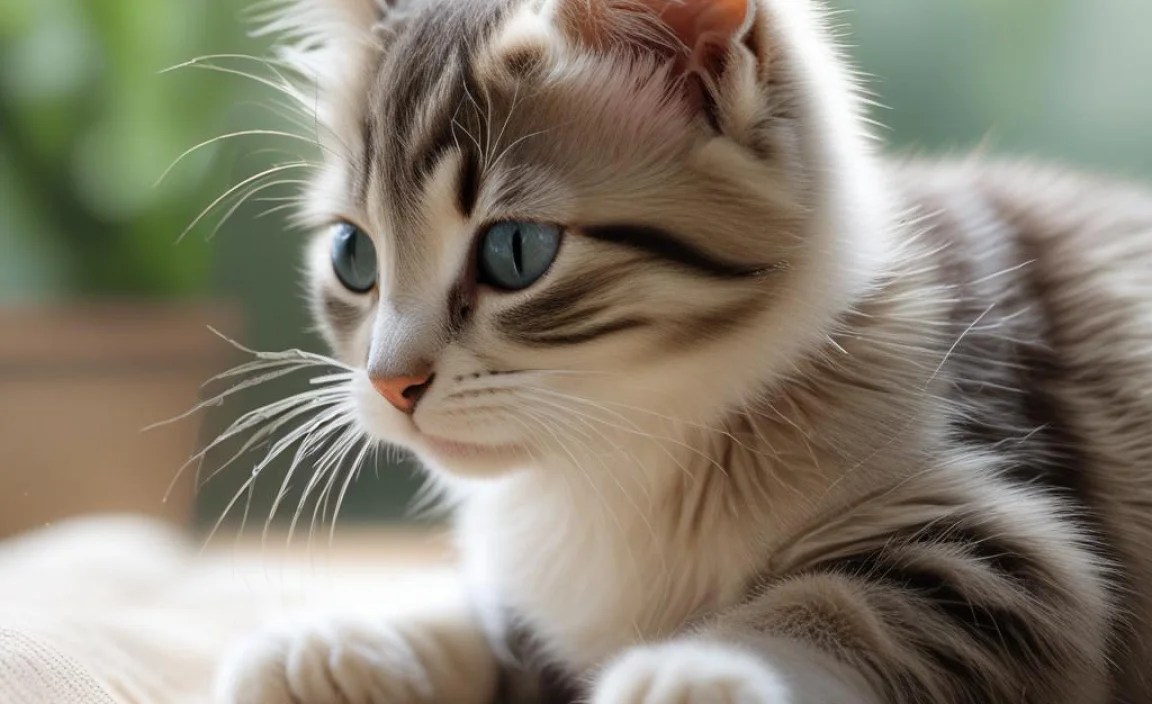
Guidelines on using toys to redirect biting behavior. Recommended types of toys to discourage biting.
Playing with your kitten is lots of fun! To keep them from getting too nippy, use toys to redirect their biting. Instead of your fingers, grab a wand toy or a stuffed mouse. These toys can make them feel like hunters! Avoid using your hands as toys, or you’ll become their next chew toy. It’s all about setting boundaries and having fun!
| Type of Toy | Why It Works |
|---|---|
| Wand Toys | Encourages jumping and pouncing. Keeps teeth away from you! |
| Interactive Toys | Makes them think! Engages their hunting instincts. |
| Soft Plush Toys | Great for biting! Keeps their teeth smiling. |
Choose toys wisely, and remember: every play session is a chance to build trust and shape your kitten’s behavior!
Positive Reinforcement Strategies

How to effectively reward desired behaviors. Timing and methods for reinforcement.
To train your kitten not to bite, use rewards for good behavior. Cats love treats, so reward them right after they play gently. This makes them understand that soft play gets snacks. Timing is key! If you wait too long, they might forget what earned that yummy treat. Try using different rewards like toys or pets. Here’s a quick table for ideas:
| Behavior | Reward |
|---|---|
| Gentle play | Treats |
| Purring | Petting |
| Responding to commands | Favorite toy |
This way, your kitten learns and has fun, too! Remember, being patient pays off. Biting may seem fun to them, but with positive reinforcement, they’ll choose cuddles over chompers!
Identifying Triggers for Biting
Common situations that lead to biting (overstimulation, fear, etc.). Techniques for observing and noting biting triggers.
Understanding what causes a kitten to bite is important for training. Common triggers include:
- Overstimulation: Too much petting or loud noises can make a kitten feel uneasy.
- Fear: Sudden movements or unfamiliar people can scare your kitten.
- Play: Kittens often bite during playtime, not realizing it hurts.
To help, watch your kitten closely. Note when the biting happens. Try to find patterns and avoid those situations. Remember, being patient is key!
What are common triggers for a kitten biting?
Common triggers include overstimulation, fear, and play aggression. Understanding these triggers helps in training your kitten not to bite.
Disciplinary Techniques to Avoid
Ineffective methods of discouragement. The potential negative effects of punishment on kitten behavior.
Some techniques to discourage biting may not work. Here are a few ineffective methods:
- Yelling at the kitten is harmful. It can scare them.
- Using physical punishment can lead to fear. This might make biting worse.
- Ignoring them completely may foster anxiety. Kittens need care and guidance.
These methods can damage your bond with your kitten. They may lead to trust issues, making your pet more likely to act out. Instead, focus on positive reinforcement to encourage good behavior.
How should I discipline my kitten?
Use gentle guidance instead! Redirect their play with toys. Reward them for good behavior with treats or praise. This will help them learn without fear.
Socialization with Other Pets and Humans
Best practices for introducing kittens to other pets. Importance of human interaction in reducing biting.
Meeting new pets and people helps kittens learn to act well. Start slowly. Let your kitten look at other pets from a distance. This keeps them calm. Use treats to create happy moments. Always watch for any signs of stress or fear.
Human interaction is very important. Play with your kitten every day. Hug them gently and talk softly. This helps them feel safe. It also reduces biting. Kittens learn that biting is not okay when they have good friends.
How can I introduce my kitten to other pets?
To introduce your kitten to other pets, use slow steps. First, let them see each other from a safe space. Then, allow short visits while keeping calm. Always reward good behavior with treats.
When to Seek Professional Help
Signs that biting may be a deeper behavioral issue. Resources for finding professional trainers or behaviorists.
If your kitten bites a bit too much, it might be time to call in the pros. How can you tell? Look for signs like consistent biting that doesn’t seem playful. This could hint at deeper issues needing expert advice. Getting help early can save you from future scratchy stories!
| Signs to Watch | What to Do |
|---|---|
| Frequent biting | Consider a trainer |
| Aggressive play | Consult a behaviorist |
To find professional trainers or behaviorists, check local pet stores or online forums. Many experts are just a click away, ready to turn your little nibbler into a gentle purr machine!
Maintaining Consistency in Training
The importance of a consistent approach among all family members. Tips for creating a training schedule to reinforce lessons.
Keeping a steady training plan is key. All family members should use the same rules. This helps the kitten learn faster. To create a training schedule, try these tips:
- Decide on a quiet time each day for training.
- Use the same words or signals for commands.
- Make sure everyone is on the same page.
- Be patient and encourage each other.
By staying consistent, everyone helps the kitten learn what is right and wrong. This teamwork makes training easier and more fun!
How can family members stay consistent in training?
Family members should agree on commands and training times. This makes learning smoother for the kitten. Consistency is the secret to success!
Conclusion
In summary, training a kitten not to bite is important for a happy home. Use toys and gentle corrections when they play too rough. Reward good behavior with praise or treats. Be patient and consistent as your kitten learns. For more tips, check books or online resources. This will help you and your kitten enjoy a fun, safe bond!
FAQs
What Are Effective Strategies For Discouraging Biting Behavior In Kittens?
To stop your kitten from biting, use these fun tricks. When they bite, say “no” firmly but calmly. Give them a toy to bite instead. Always play using toys, not your hands. If they keep biting, gently walk away for a while. This helps them learn that biting is not fun!
How Can Playtime Be Structured To Reduce A Kitten’S Tendency To Bite?
You can reduce a kitten’s biting by using toys during playtime. This helps them play without using their teeth on you. Try using string toys or stuffed mice to keep their focus. Always let them take breaks, so they don’t get too excited. Remember, gentle play makes happy kittens!
Are There Specific Toys Or Tools That Can Help Train A Kitten To Avoid Biting?
Yes, there are toys that can help train a kitten not to bite. You can use soft toy mice or feather wands. These toys let you play without using your hands. If your kitten bites, gently tell them “no” and give them a toy instead. This teaches them to play with things they can bite.
What Role Does Socialization Play In Teaching A Kitten Not To Bite?
Socialization helps kittens learn how to behave with other animals and people. When you play gently with your kitten, it learns that biting can hurt. If it bites too hard, you can stop the play to show that it’s not okay. You can also encourage it to use toys instead of your hands. This way, your kitten understands that gentle play is fun!
How Can Positive Reinforcement Be Used To Train A Kitten To Stop Biting?
You can use positive reinforcement to train your kitten by rewarding good behavior. When your kitten plays gently, give it a treat or pet it. If your kitten starts to bite, stop playing and ignore it. This helps your kitten learn that gentle play is fun, while biting is not. With practice, your kitten will learn to play nicely!