
Have you ever been scratched by a playful cat? It can be surprising and alarming! Many cat lovers face the challenge of training their furry friends not to be aggressive. It’s a common issue, and you’re not alone. Can you imagine a world where your cat plays gently with everyone?
Training a cat not to be aggressive can seem tough. However, with the right approach, it can become a fun adventure for both you and your cat. It’s all about understanding their behavior and teaching them in a kind way. Did you know that cats often show aggression when they’re scared? This means that learning to change that behavior can lead to a happier, safer home.
In this article, we will explore effective methods to help you train your cat not to be aggressive. You’ll discover simple tips, tricks, and insights that will make a difference. Get ready to transform your cat’s behavior, one playful step at a time!
Train Your Cat Not To Be Aggressive: Effective Tips & Tricks

Train Cat Not to Be Aggressive

to stop being aggressive can create a happier home. Key methods include understanding your cat’s triggers and providing plenty of playtime. For example, using toys to redirect their energy can help. Did you know some aggressive behavior may stem from fear? With patience and consistent training, your cat can learn to feel safe and calm. Remember, every cat is unique, and finding the right approach might take time.
Understanding Cat Aggression
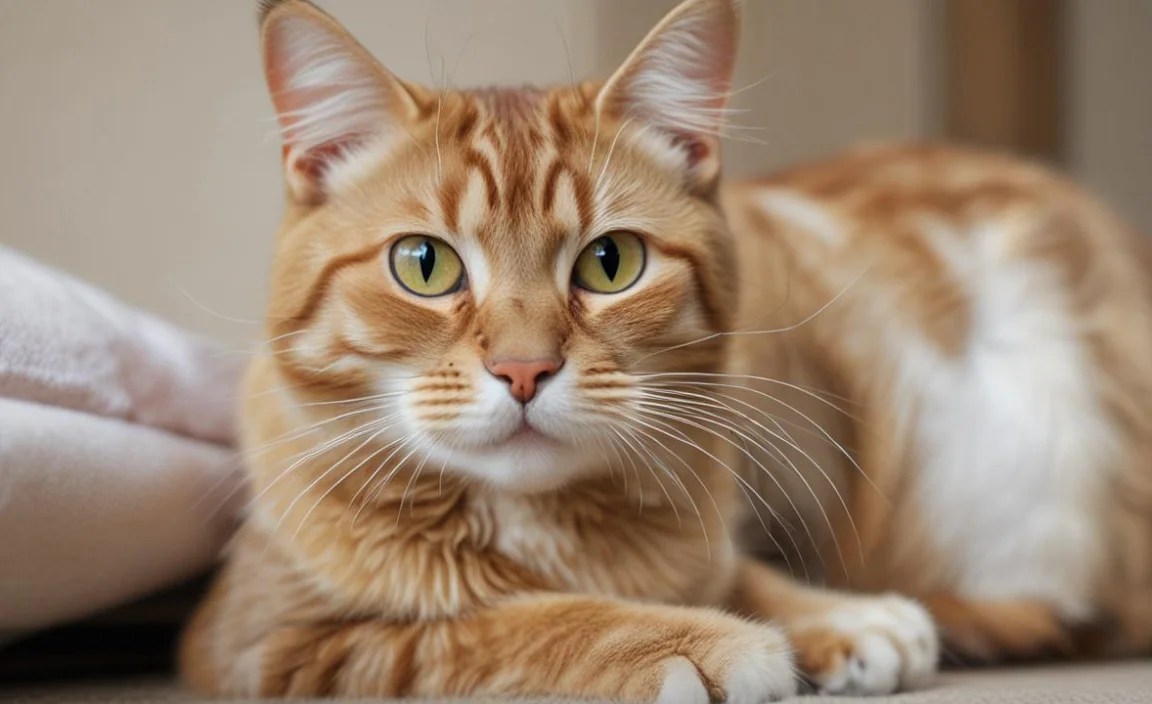
Types of aggression in cats: fearbased, territorial, play aggression, and more. Common triggers for aggressive behavior in domestic cats.
Cat aggression can be puzzling and sometimes amusing! There are different types: fear-based, where a cat feels threatened; territorial, when they defend their space; and play aggression, which might seem like a rough game. Common triggers include loud noises, new pets, or even sudden movements. Knowing these types helps in understanding your feline friend better.
| Type of Aggression | Common Triggers |
|---|---|
| Fear-based | Loud noises, strangers |
| Territorial | New animals, changes in home |
| Play aggression | Outdoors, boredom |
Understanding these triggers can help you keep your cat calm and happy. Remember, your cat isn’t trying to be a little furry monster; they just want to feel safe!
Identifying Aggressive Behavior
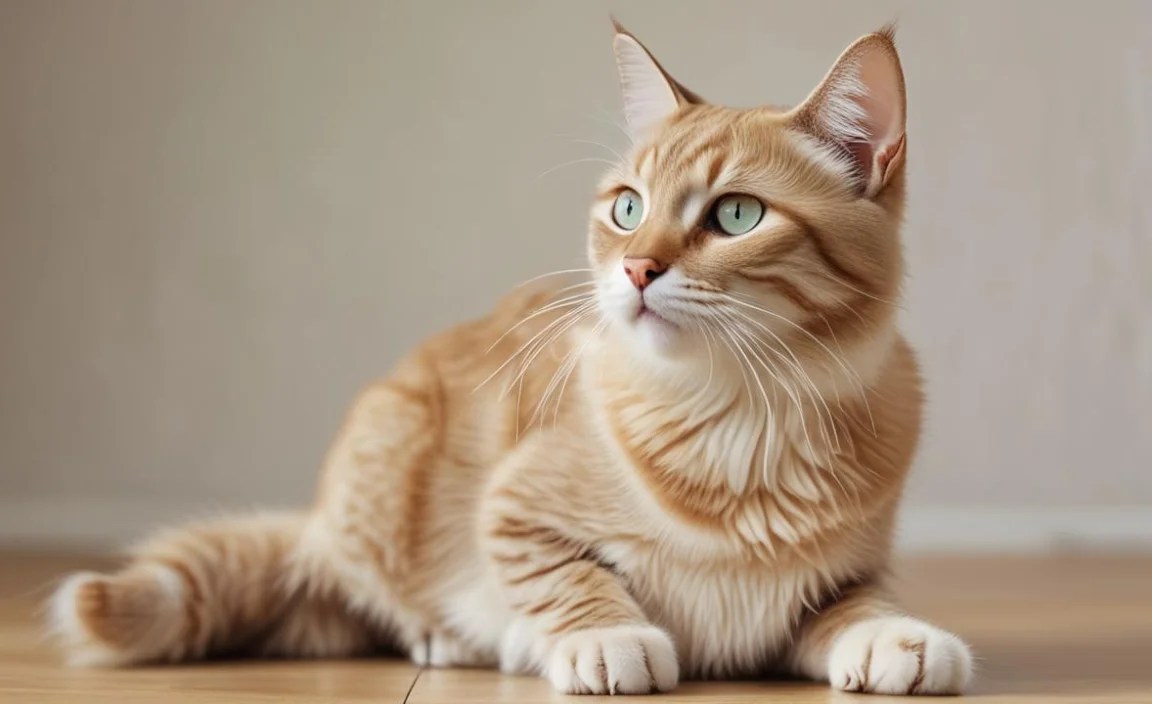
Signs that indicate your cat is being aggressive. Differences between normal play and aggressive behavior.
Noticing when your cat acts out is important. Some signs might make you wonder if your furry friend is turning into a tiny lion. If your cat hisses, swats, or puffs up like a fluffy balloon, it’s likely feeling aggressive. This is different from playful behavior, where your cat may jump around, chase toys, or wrestle with friends.
| Behavior | Type |
|---|---|
| Hissing | Aggressive |
| Purring | Playful |
| Swatting | Aggressive |
| Chasing Toys | Playful |
| Arched Back | Aggressive |
Recognizing these signs helps keep the fun and friendly vibe. Remember, a happy cat is a bouncing ball of sunshine, not a fierce little tiger!
Creating a Safe Environment
Tips for modifying your home to reduce
triggers of aggression. Importance of providing safe spaces for your cat.
Transforming your home can help your cat feel safe and calm. Start by creating cozy spaces where your cat can relax. Use soft blankets and boxes as hideouts. Cats love their own spots! Next, try to eliminate things that might startle your kitty. This means closing windows to block loud noises and keeping doors shut during party time. Here’s a quick table to sum it up:
| Tip | Description |
|---|---|
| Safe Spaces | Provide soft blankets and boxes for hiding. |
| Reduce Noise | Close windows to block outdoor sounds. |
These steps can help your furry friend feel secure. Remember, a happy cat is a non-aggressive cat! Think of it as building your kitty’s fortress—just without the moat.
Redirecting Aggressive Behavior
Techniques for redirecting a cat’s focus from aggression to appropriate play. Effective toys and tools for redirecting energy.
Have you ever noticed your cat playing rough? Redirecting those wild moments can be a game changer! One fun technique is using a feather wand. Just wave it around and watch your kitty leap like a tiny acrobat! It’s a pawsitive distraction from aggression. Another option is laser pointers. Who knew a little dot could excite your cat so much? Below are some effective toys you can try:
| Toy | How it Helps |
|---|---|
| Feather Wand | Encourages jumping and chasing. |
| Laser Pointer | Stimulates hunting instincts. |
| Catnip Toys | Relaxing and playful distraction. |
Using these toys can help your cat focus energy in a fun way. Remember, every kitty needs a little help to find their purr-fect playtime!
Behavior Modification Strategies
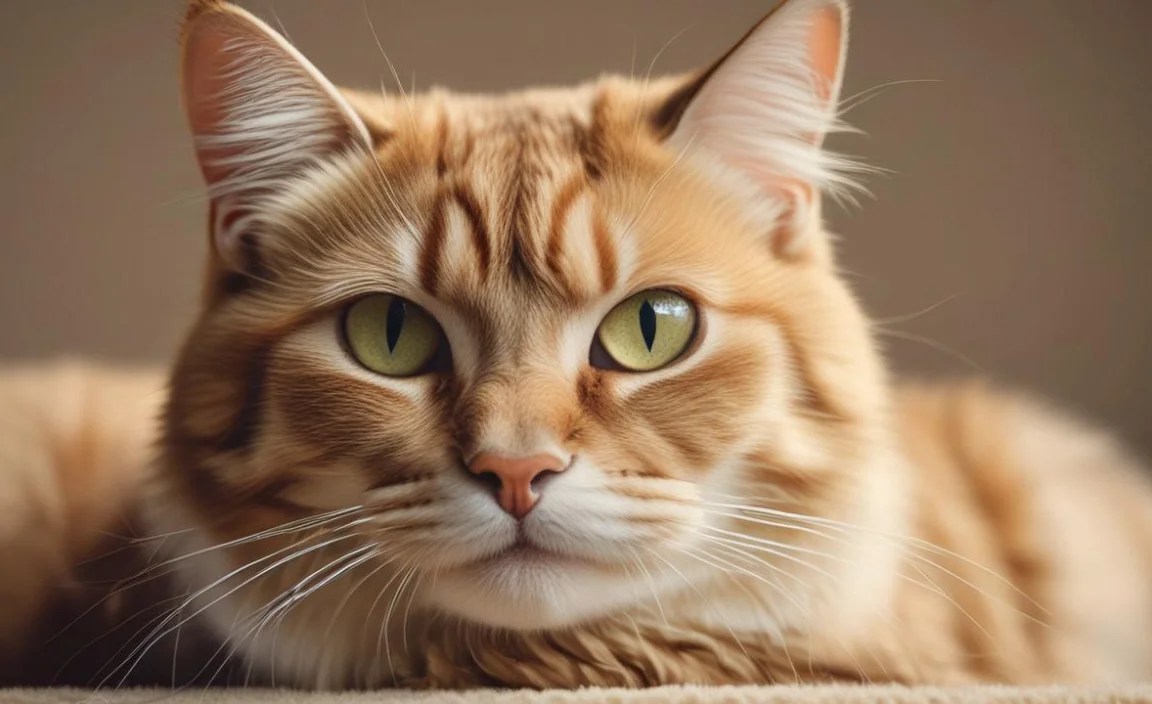
Stepbystep guide to implement behavior modification plans. Importance of consistency and patience in training.
Training your cat can be a bit like teaching a goldfish to ride a bike. It sounds tricky, but with the right steps, it’s possible! First, create a plan that clearly explains what you want to change. Consistency is key; make sure everyone at home follows the same rules. Here’s a simple table to guide you:
| Step | Action |
|---|---|
| 1 | Identify the behavior you want to change. |
| 2 | Use treats to reward good behavior. |
| 3 | Practice regularly and be patient. |
| 4 | Keep calm; cats can sense your feelings! |
With patience and a sprinkle of humor, you’ll see changes. Remember, cats train us just as much as we train them. So, don’t be surprised if they start demanding treats like a tiny furry boss!
Maintaining a Positive Relationship with Your Cat
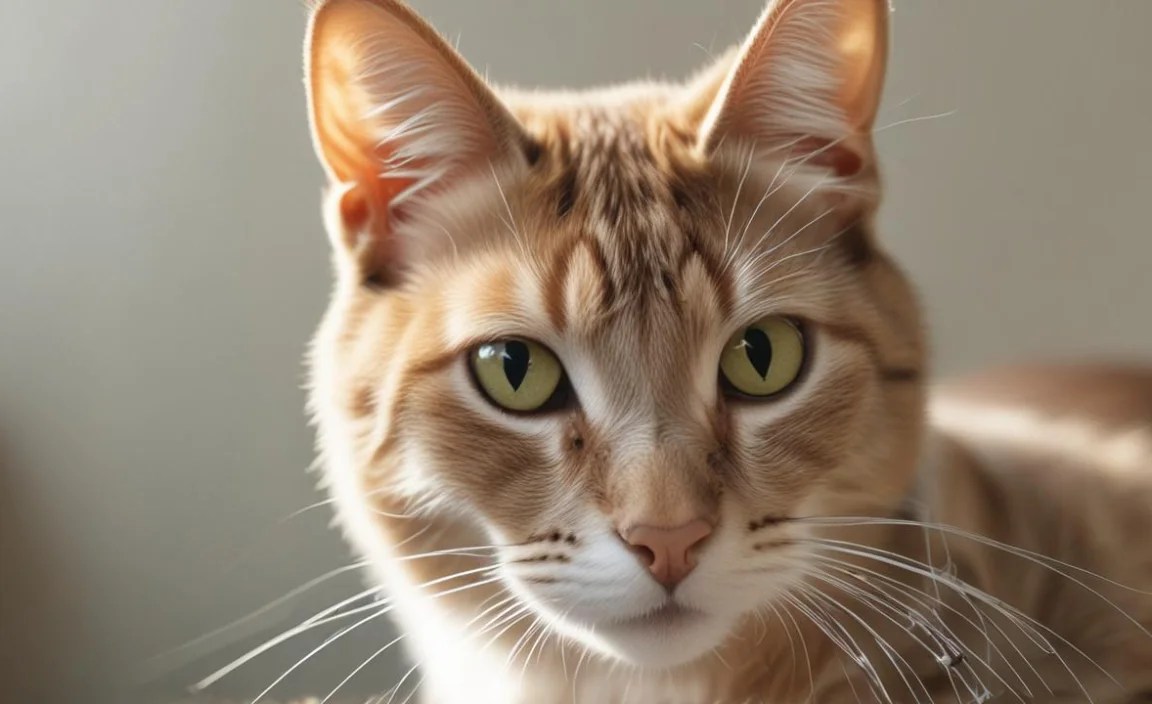
Strategies for bonding with your cat to build trust. Importance of regular play and mental stimulation for overall wellbeing.
Building trust with your furry friend is key! Start with gentle petting and sweet talk. A little ‘cat chat’ can go a long way. Regular playtime is important too. Toss a feather toy or dangle a string, and watch your cat leap with joy! This not only keeps them active but also boosts their happiness. Don’t forget, a happy cat is less likely to show aggression!
| Activity | Benefit |
|---|---|
| Playtime | Strengthens bond and reduces stress |
| Petting | Builds trust and affection |
| Mental games | Stimulates mind and prevents boredom |
With these simple strategies, you’ll be the coolest cat parent on the block!
Conclusion
In summary, training your cat not to be aggressive takes patience and understanding. Start by recognizing triggers and providing positive reinforcement. Use toys and playtime to redirect their energy. If needed, consult a veterinarian or cat behaviorist. By following these steps, you can help your cat become a calmer and happier companion. Remember, you can always learn more methods to support your cat’s behavior!
FAQs
What Are The Common Reasons For Cat Aggression, And How Can Understanding These Triggers Help In Training My Cat To Be Less Aggressive?
Cats can be aggressive for different reasons. They might feel scared, want to play too rough, or feel stressed. When you know what makes your cat mad, you can help them feel safe. This makes it easier to train them to be calm and friendly. For example, if your cat gets angry when they see another pet, you can keep them away until they feel better.
What Techniques Or Methods Can Be Used To Redirect An Aggressive Cat’S Behavior In A Positive Way?
To help an aggressive cat, we can use a few friendly techniques. First, give the cat some space. Let it calm down on its own. We can also use toys to distract the cat. Play with a string or a feather toy to keep it busy. Finally, reward calm behavior with treats and praise. This shows the cat that being nice is a good thing!
How Can I Create A Safe And Stress-Free Environment For My Cat To Reduce Aggression?
To make a safe and stress-free home for your cat, keep their space quiet and calm. Provide cozy spots, like a soft bed or a warm blanket. Play with your cat every day to help them use their energy. Make sure they have toys and places to scratch. Lastly, let them have their own safe hiding spots where they can relax.
What Role Does Socialization Play In Training A Cat To Be Less Aggressive, And How Can I Effectively Socialize My Cat?
Socialization helps cats learn how to be friendly and calm. It teaches them to be comfortable around people and other pets. To socialize your cat, start slow. Spend time with your cat every day. Let them meet new people and gentle pets. Use treats to make these new experiences fun.
Are There Any Specific Toys Or Tools That Can Help In Training My Cat To Engage In More Appropriate Play Rather Than Aggressive Behavior?
Yes, there are toys that can help. Try using feather wands or laser pointers. These toys keep your cat busy and help them play nicely. You can also use soft balls or stuffed mice. Always reward your cat when they play gently!