
Do you have a cat that sometimes seems more like a tiger? You’re not alone. Many cat owners face the challenge of cat aggression. It can be puzzling and even scary when a playful pet turns into a tiny ball of fury. Have you ever wondered why your cuddly feline suddenly hisses or swats? Understanding this behavior is key.
Redirecting cat aggression is important for a happy home. Imagine your cat growling at a shadow or pouncing on a random object. This might seem silly, but it shows your cat needs help with its feelings. Cats sometimes feel scared or frustrated. When this happens, they need our guidance.
In this article, we will share simple and fun ways to manage and redirect cat aggression. You’ll learn tricks that can turn a feisty feline into a calm companion. Let’s explore this journey together. Your cat will thank you!
How To Redirect Cat Aggression: Effective Strategies & Tips

How to Redirect Cat Aggression
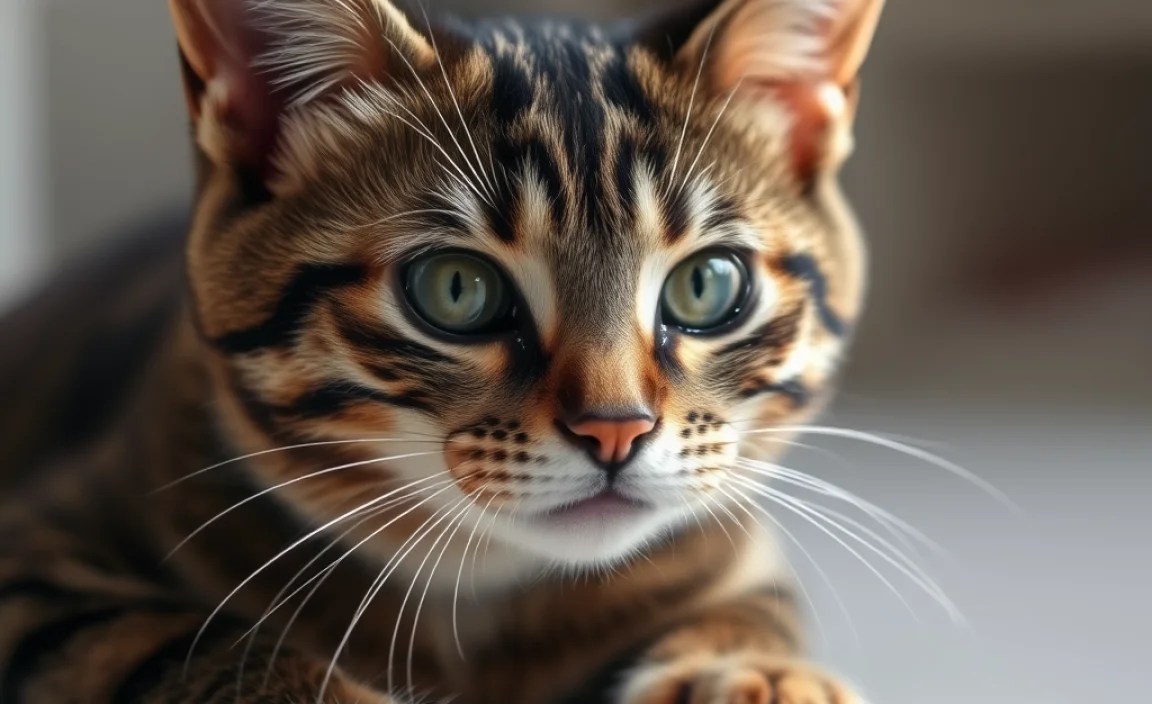
can be a challenge. Learn to redirect this behavior to create a happier home. Start by identifying triggers, like too much play or sudden noises. Using toys can help shift their focus. Did you know that cats often need mental stimulation? Regular playtime can reduce their aggression significantly. Try breaking up fights with toys, not hands. You’ll find that patience and understanding can lead to a calmer pet.
Understanding Cat Aggression
. Common triggers for aggression.
Understanding why cats can act like little furry ninjas helps us train them better. There are several types of cat aggression, like fear-based or territorial. It’s important to identify the cause, so you don’t end up as a victim of a surprise attack!
| Type of Aggression | Common Triggers |
|---|---|
| Fear-Based | New people or loud noises |
| Territorial | Other pets invading their space |
| Redirected | Seeing another cat outside |
Knowing what makes your cat tick can save your fingers from unintentional scratches. Cats can react to stress, lack of playtime, or even just feeling grumpy. So, keep those toys ready; it’s playtime or, in some cases, battle time!
Signs Your Cat is Aggressive

Body language indicators. Vocalizations and behaviors.
Understanding your cat’s body language is key to spotting aggression. Look for these signs:
- Ears pointed forward or flat against the head
- Flattened body or puffed-up fur
- Claws showing or rapid tail flicking
Vocal sounds can also tell you a lot. An aggressive cat might hiss, growl, or yowl loudly. If your feline makes these sounds, it’s time to be cautious. Knowing these signs helps you keep the peace with your furry friend.
What does a hissing cat mean?
A hissing cat shows fear or aggression. It’s their way of saying, “Back off!” Pay attention to this warning to avoid trouble.
Causes of Cat Aggression

Environmental factors. Medical issues that contribute to aggression.
Many things make a cat feel crabby. First, their home matters. Too much noise or not enough space can spark aggression. Cats are not fans of chaos! Also, if they see other animals outside, they may feel threatened. Health issues can also turn your cuddly buddy into a feisty feline. Pain can make them moody. If your cat acts out, a trip to the vet may be necessary.
| Environmental Factors | Medical Issues |
|---|---|
| Noise and chaos | Pain or illness |
| Lack of space | Infections |
| Visible threats | Hormonal changes |
Keeping your cat calm is key. With a comfy and quiet space, plus a health check-up, you may turn that fierce lion back into a purring kitten! Remember, all cats deserve a little TLC.
Effective Redirection Techniques
Use of toys for distraction. Interactive play methods.
Redirecting a cat’s aggression can be simple and fun. One great way is to use toys for distraction. Cats love to chase, so a feather wand or a laser pointer can quickly shift their focus. This keeps them entertained and away from their targets—like your unsuspecting toes!
Another technique is interactive play. Set aside time to engage with your furry friend. Think of it as a mini workout for both of you! Research shows that daily play can reduce stress in cats by up to 50%. That’s a lot of purring! Here’s a quick reference:
| Technique | Description |
|---|---|
| Toys | Use feather wands or laser pointers for chasing. |
| Interactive Play | Engage daily for fun and stress relief. |
With a little creativity, you can keep your cat happy and calm. It’s a win-win—less aggression means more cuddles! Plus, who wouldn’t want a cat that acts more like a furry friend than a tiny predator?
Creating a Calm Environment
Importance of safe spaces. Reducing stressors in the home.
Creating a calm space for your cat is essential for their happiness. Safe areas help them feel secure. Consider cozy spots like a soft bed or a quiet corner. Reducing stress in your home makes a big difference. Remove loud noises and sudden movements. This can lessen your cat’s anxiety and help them relax. Remember, a calm cat is a happy cat!
Why are safe spaces important for cats?
Safe spaces help cats feel more secure and less anxious. They give them a retreat from stressors and help prevent aggressive behavior.
Ways to reduce stressors in your home:
- Create quiet zones for your cat.
- Limit loud noises.
- Keep a regular feeding schedule.
- Offer engaging toys to distract them.
Behavioral Training Strategies
Using positive reinforcement. Gradual desensitization methods.
To help your cat behave better, use positive reinforcement. Reward good behavior with treats and praise. Your cat will start to associate good actions with good things. Gradual desensitization can make a big difference too. It means slowly getting your cat used to things that scare or upset them.
- Start with short exposure to stressful situations.
- Gradually increase the exposure time.
- Always reward calm behavior.
This way, your cat learns to feel safe and calm over time. Remember, patience is key!
How can I use positive reinforcement for my cat?
Use small treats and praise to boost your cat’s good behavior. Reward them when they stay calm or play nicely. This builds a stronger bond and helps them learn.
When to Seek Professional Help
Identifying serious aggression issues. Finding a qualified behaviorist or trainer.
Sometimes, cats show serious aggression. Signs include biting, scratching, or constant hissing. If you notice these behaviors often, it’s time to act. Seeking help from a professional can make a big difference. Look for a qualified behaviorist or trainer who understands cat behavior. They can provide helpful tips and advice to manage your cat’s aggression. This is important for your safety and your cat’s well-being.
When should I seek professional help for my cat’s aggression?
If your cat shows extreme behaviors like attacking or being very fearful, it’s time to ask for help.
Signs to watch for:
- Consistent biting or scratching
- Frequent hiding or aggression
- Refusal to play or eat
Maintaining Long-Term Solutions
Regular playtime routines. Ongoing environmental adjustments.
To keep your cat calm, set up regular playtime routines. This gives your cat something fun to do. Try using toys like feather wands or laser pointers. This can help release energy and reduce aggression.
Make ongoing changes to your cat’s environment too. If they feel safe, they will be happier. Here are some ideas to help:
- Provide cozy hiding spots for your cat.
- Keep their food and water in a quiet area.
- Limit loud noises that may scare them.
By sticking to these practices, you will help your furry friend feel relaxed and stress-free.
How often should I play with my cat?
It’s best to play with your cat at least once or twice a day. This keeps them active and happy.
Conclusion
In conclusion, redirecting cat aggression is all about understanding and patience. You can use toys and distractions to change their focus. Create a calm environment to help your cat feel safe. Remember, rewarding good behavior is key! For more tips, try reading books or articles on cat behavior. Let’s make our furry friends happier together!
FAQs
What Are Some Common Triggers For Cat Aggression, And How Can They Be Identified?
Some common triggers for cat aggression include loud noises, sudden movements, and feeling scared or threatened. We can identify these triggers by paying attention to our cat’s body language. If a cat’s ears are back, its tail is puffed up, or it hisses, it may be upset. When we notice these signs, we can help our cats feel safe and calm.
How Can I Effectively Redirect My Cat’S Aggressive Behavior Towards Toys Instead Of People Or Other Pets?
To help your cat play with toys instead of being aggressive, start by using fun toys like feathers or balls. When you see your cat getting rough, distract them with a toy. Play with your cat often to tire them out. Create a special playtime every day so they know it’s fun. Remember, always reward good behavior with treats or pets!
What Techniques Can Be Used To Create A More Calming Environment For An Aggressive Cat?
To calm an aggressive cat, you can try a few techniques. First, give them a quiet space. Make it cozy with a comfy bed and some toys. You can also use soft music to help relax them. Finally, let them come to you when they feel safe. This helps them feel more in control.
How Can Play Therapy Help In Managing And Redirecting Cat Aggression?
Play therapy can help cats feel calm and happy. When we play with them, it gives them a way to use their energy. This fun time helps them learn how to be friendly instead of aggressive. We can also teach them good behaviors through games. This makes them better at playing with other cats and people!
When Should I Consider Consulting A Veterinarian Or Animal Behaviorist For My Cat’S Aggressive Behavior?
You should see a veterinarian or animal behaviorist if your cat is very aggressive. If your cat hurts you or other pets, it’s time to get help. Also, if this behavior suddenly starts and wasn’t there before, you should ask a professional. They can help you understand why your cat is acting this way. Don’t wait too long, as getting help can keep everyone safe.