
Do you have a cat that seems to hide when guests arrive? Or maybe one that gets jumpy during thunderstorms? Calming an anxious cat can be a real challenge. Did you know that around 30% of cats show signs of anxiety? That’s a lot of furry friends needing support!
Imagine your cat, wide-eyed, pacing back and forth. You wish you could help ease their worry. The good news is, you can! With the right techniques, you can soothe their nerves and help them feel safe.
In this article, we will explore how to calm an anxious cat. We’ll share simple tips and fun tricks to create a cozy environment. You can discover ways to help your feline friend feel relaxed and happy. Let’s dive in and start making your cat’s world a little brighter!
How To Calm An Anxious Cat: Effective Techniques And Tips
How to Calm an Anxious Cat

Cats can feel anxious for many reasons, like moving to a new home or loud noises. To help an anxious cat, create a safe space with cozy blankets and toys. Gradually use calming sprays or play soothing music. Have you tried a simple petting session? That can bring comfort too! A fun fact: soft voices can calm cats better than loud sounds. Knowing your cat’s body language will also guide you in easing their stress effectively.
Understanding Cat Anxiety
Common causes of anxiety in cats. Signs and symptoms of an anxious cat.
Many cats feel anxious just like people do. Their fears can stem from different things. Common causes of anxiety include loud noises, new pets, or changes in their home. To help you spot an anxious cat, watch for these signs:
- Hiding or seeking attention
- Excessive grooming or scratching
- Vocalizing more than usual
- Litter box issues
Understanding why a cat feels uneasy can help you support them better. Remember, it’s important to comfort and reassure your furry friend.
What are common signs of anxiety in cats?

Look for hiding, vocalizing, and litter box problems.
Creating a Safe Environment
Importance of a secure space for your cat. Tips for designing a calming area in your home.
Creating a secret hideout for your cat is like giving them a superhero lair! Cats need a safe space to feel happy and relaxed. Think about cozy spots with soft blankets and their favorite toys. Set up a quiet corner or a little cave, because every kitty deserves their own fortress of solitude. Use this simple formula:
| Tip | Description |
|---|---|
| Cozy Bed | Soft and warm invites naps. |
| Hideaways | Boxes or cat trees for sneaky fun! |
| Low Noise | Keep it quiet; avoid loud sounds. |
| Calming Scents | Use calming sprays for peace. |
Remember, a happy cat is a calm cat! So, make their space extra special. When you build a castle of comfort, your furry friend will rule over anxiety like a pro!
Behavioral Techniques to Calm Your Cat
Techniques for reducing stress, such as play and distraction. The role of routine in a cat’s life.
Calming an anxious cat takes time and patience. You can try simple methods to help your furry friend feel better. Engaging your cat in regular playtime can relieve stress. Use toys that mimic hunting to spark their interest. Distraction techniques can also work wonders.
- Provide cozy spots for your cat to relax.
- Stick to a daily routine for meals and play.
- Offer gentle petting when your cat seems nervous.
- Use purring sounds or soft music to soothe them.
Following a routine helps your cat feel secure. Cats thrive on consistency. Remember, a happy cat means a happy home!
What can I do to calm my cat’s anxiety?

You can help your cat by providing a routine, engaging them in play, and offering comfort objects. This can greatly reduce their stress levels.
Consulting a Veterinarian
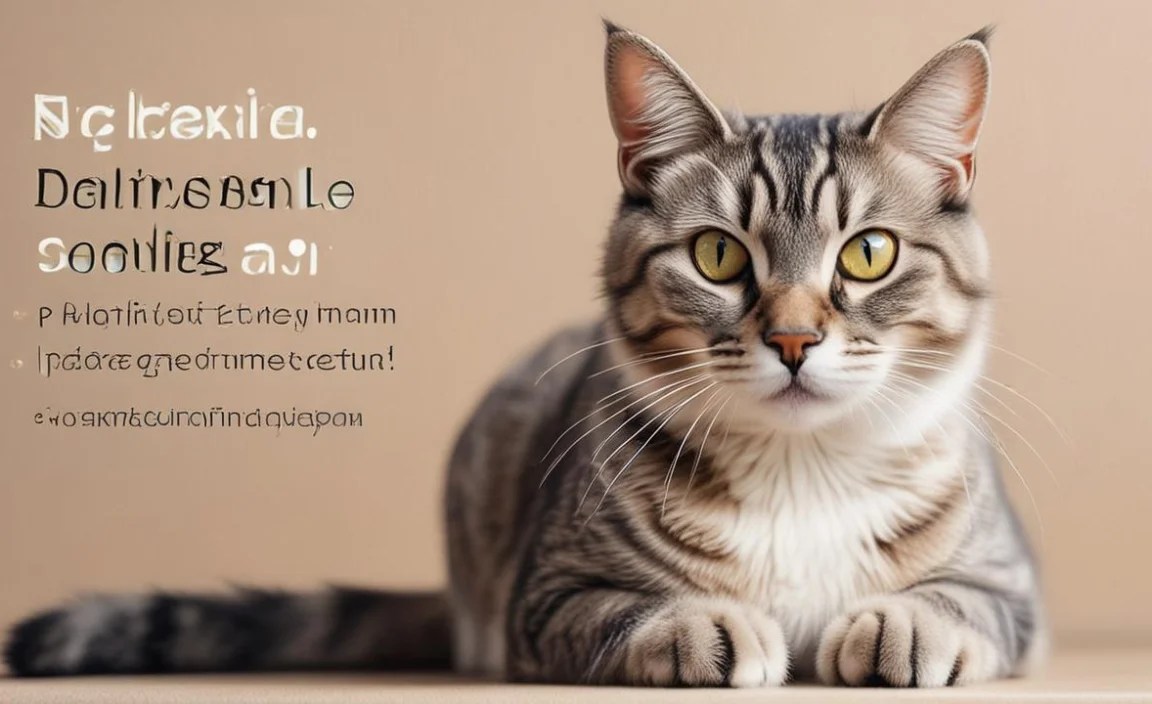
When to seek professional help for your cat’s anxiety. Possible medical interventions for severe cases.
Every cat has its own personality, but sometimes those furry friends can get a bit jittery. If your cat hides, hisses, or seems extra skittish, it might be time for a vet visit. Veterinarians can help determine if your cat’s anxiety is physical or behavioral. When anxiety is severe, medications might be needed. These can range from calming supplements to prescribed drugs. Remember, it’s better to get professional input than to let your cat feel like a nervous wreck!
Here’s a quick look at when to consult your vet:
| Signs to Watch | When to Visit |
|---|---|
| Hiding under the bed | If it lasts over a week |
| Excessive meowing | Every day and night |
| Changes in eating habits | More than two days |
Long-Term Strategies for Anxiety Management

Importance of gradual exposure to stressors. Building a trusting relationship with your cat over time.
Helping your cat feel calm takes time and care. Start by exposing your cat to new situations slowly. This helps them feel safe and less stressed. It builds their confidence. Also, focus on building a trusting relationship. Spend time playing and talking to them. Trust makes them feel loved. Soon, your cat will feel more relaxed.
How can I help my anxious cat over time?

Use gradual exposure and trust-building. Always be patient and gentle. Over time, your cat will feel more secure and calm.
- Give them safe spaces.
- Use treats to reward good behavior.
- Stay calm during stressful times.
Conclusion
To calm an anxious cat, create a safe space and use gentle voices. Offer treats and toys to help them feel happy. Remember to be patient. Spend time with your cat and pay attention to their body language. For more tips, read about cat behavior and try different calming techniques. Together, we can make our furry friends feel secure.
FAQs
What Are Some Effective Techniques For Soothing An Anxious Cat At Home?
To soothe an anxious cat at home, you can create a calm space for them. Use soft blankets and cozy spots. Play some gentle music to help them relax. You can also use treats to distract them and show them love. Spend quiet time with your cat to help them feel safe.
How Can Understanding My Cat’S Body Language Help In Calming Their Anxiety?
Understanding your cat’s body language can help you know when they’re scared or stressed. For example, if their ears are flat, they might be worried. When you notice this, you can give them space or comfort them. Watching their movements helps you connect better and make them feel safe. This can calm them down and help them relax.
Are There Specific Calming Products Or Remedies That Are Recommended For Anxious Cats?
Yes, there are calming products for anxious cats. You can try cat calming sprays that have natural scents. Feliway is one brand that helps. Another option is calming collars that release relaxing pheromones. You can also use special treats that have ingredients like chamomile. Always check with a vet before trying something new.
What Role Does Environmental Enrichment Play In Reducing Anxiety In Cats?
Environmental enrichment helps reduce anxiety in cats by making their homes more fun and interesting. You can add toys, climbing spots, and cozy places to hide. When cats have things to explore and play with, they feel happier and calmer. This keeps their minds busy, so they don’t worry as much. Overall, a rich environment makes cats feel safe and less anxious.
How Can I Create A Safe Space For My Cat To Feel More Secure During Stressful Situations?
To create a safe space for your cat, pick a quiet spot in your home. This can be a corner with a blanket or your cat’s bed. Add some of their favorite toys to make it cozy. You can also close the door to keep it calm. Always let them go there when they need to feel safe!